
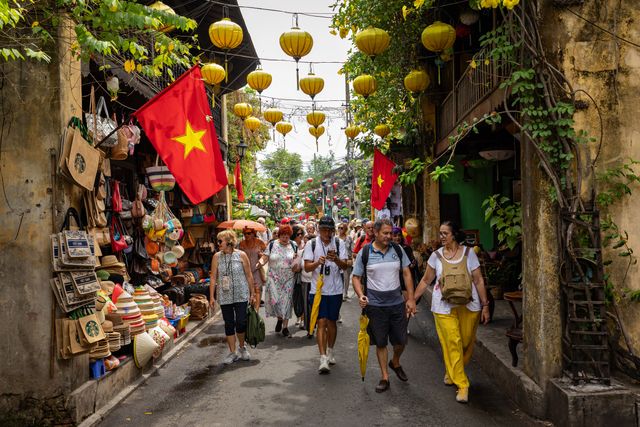
Vietnam is an incredible destination for travelers. From the chaotic streets of Ho Chi Minh City and historic neighborhoods of Hanoi to the beaches of Da Nang and the ancient streets of Hoi An, there is something for almost every type of traveler. Vietnam is also relatively affordable, making it particularly popular with backpackers, solo travelers, digital nomads, and budget-conscious tourists.
However, like anywhere in the world, tourists can occasionally encounter scams and tourist traps. Most visitors have a trouble-free experience, but knowing about the 10 common tourist scams in Vietnam and how to avoid them can help you recognize potential problems before they happen.
The good news is that most scams are relatively easy to avoid once you know what to look for. Being cautious about transportation, money, tours, shopping, and unsolicited offers can make your trip considerably easier.
1. Fake or Dishonest Taxi Drivers
One of the most common problems tourists encounter in Vietnam involves taxis. While many legitimate taxi companies operate throughout the country, independent drivers or unofficial taxis may charge excessive fares, manipulate meters, or take unnecessarily long routes.
A driver might approach you outside an airport or tourist attraction and offer a supposedly cheap ride. Once you’re inside the vehicle, the final price may be dramatically higher than expected.
How to avoid taxi scams
Use established taxi companies or reputable ride-hailing applications whenever possible. Apps such as Grab allow you to see the estimated fare before accepting a trip.
If you take a traditional taxi, check that the company name and vehicle markings match the legitimate company. Avoid drivers who aggressively approach you at airports, bus stations, or tourist attractions.
It’s also useful to have your destination written in Vietnamese or saved on your phone.
2. Motorbike Rental Scams
Renting a motorbike can be an excellent way to explore Vietnam, particularly outside major cities. Unfortunately, some rental operators have been accused of charging tourists for damage that was already present on the motorcycle.
For example, you might return the motorbike and suddenly be told that you scratched the bodywork. The rental company may then demand a large repair fee.
How to avoid motorbike rental scams
Before accepting a motorcycle, take photographs and video of the entire vehicle. Pay particular attention to scratches, dents, mirrors, tires, and other visible damage.
Ask for the rental agreement and make sure you understand the deposit requirements.
Also remember that driving legally in Vietnam requires the appropriate license and documentation. Don’t assume that your home-country driver’s license automatically allows you to ride legally.
For current travel advice and entry information, consult the official U.S. State Department Vietnam travel information at:
U.S. State Department Vietnam Travel Advisory
3. Currency and Change Scams
Vietnam’s currency can initially be confusing because Vietnamese dong banknotes contain large numbers. A 500,000 VND note, for example, looks dramatically different in value from the smaller denominations tourists commonly use.
This can create opportunities for dishonest sellers to give incorrect change or take advantage of someone unfamiliar with the currency.
A particularly frustrating situation occurs when someone gives you one banknote and later claims that you handed them a different, lower-value note.
How to avoid currency scams
Familiarize yourself with Vietnamese banknotes before arriving. Take a moment to count your money carefully whenever you make a purchase.
Avoid pulling out a large wad of cash in crowded areas. When paying, count the money clearly and check your change before walking away.
A currency conversion app can also make it easier to understand prices.
4. Overpriced Street Food and Drinks
Vietnam’s street food is one of the highlights of visiting the country. Unfortunately, a small number of vendors in heavily touristy areas may quote inflated prices.
One version of this scam involves a vendor giving you food or a drink without clearly explaining the price. Once you’ve consumed it, you may discover that the price is considerably higher than expected.
How to avoid it
Always ask for the price before ordering something from an unfamiliar vendor. If there’s no menu, clarify the price before accepting the food or drink.
You don’t need to avoid street food altogether. In fact, some of the best food in Vietnam is served on sidewalks. Simply choose busy stalls with plenty of local customers and clearly displayed prices.
5. Shoe-Shining Scams
Shoe-shining scams are particularly associated with busy tourist areas in Ho Chi Minh City and Hanoi.
Someone may approach you and point out that your shoes need repairing or cleaning. Before you realize what’s happening, they may start working on your shoes.
Once finished, they demand an unexpectedly high price.
How to avoid shoe-shining scams
If you don’t want your shoes cleaned or repaired, politely but firmly say no and keep walking.
Don’t allow someone to begin working on your shoes simply because they approached you. If you actually need a shoe repair, find a shop yourself and agree on the price beforehand.
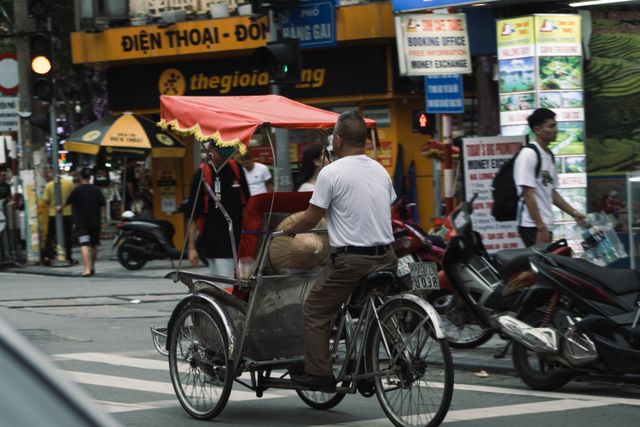
6. Cyclo and Transportation Price Scams
Cyclo rides can be a fun way to experience Vietnam, particularly in historic areas. However, tourists sometimes agree to a price without clarifying whether the amount applies to the entire journey or to each person.
A ride that initially sounds inexpensive can therefore become surprisingly expensive at the end.
How to avoid the problem
Agree on the exact price before getting into the cyclo.
If you’re traveling with another person, confirm whether the quoted price is for both passengers. You can even write the agreed price into your phone calculator and show it to the driver.
It’s also worth confirming the destination and approximate duration of the ride.
7. Fake Tour Agencies
Vietnam offers countless tours, including trips to Ha Long Bay, Ninh Binh, Sapa, the Mekong Delta, and the Cu Chi Tunnels. Unfortunately, tourists can encounter agencies that advertise attractive tours but deliver something very different.
A tour might feature professional-looking photographs online but involve an inferior hotel, crowded transportation, or an itinerary that bears little resemblance to what was advertised.
How to avoid tour scams
Research the company before booking. Look for recent reviews rather than relying solely on photographs or testimonials on the company’s own website.
Be particularly cautious about deals that seem dramatically cheaper than competing tours.
For general information about Vietnam’s destinations and attractions, the official tourism website is a useful starting point:
8. Hotel Booking Scams
Hotel scams can occur when someone approaches you claiming that your booked hotel is closed, full, or unavailable.
The person may then recommend another hotel where they receive a commission.
This can happen around airports, bus stations, and tourist areas.
How to avoid hotel scams
If someone tells you your hotel is closed, don’t automatically believe them. Contact the hotel directly using the phone number or contact information from your original booking.
Use established accommodation platforms and save your booking confirmation on your phone.
If you arrive at your hotel and encounter a genuine problem, speak directly with the hotel rather than accepting an unsolicited recommendation from a stranger.
9. ATM and Card Scams
ATMs are widely available in Vietnam, but travelers should still exercise caution when withdrawing money.
Some machines charge fees, while independent ATMs may offer unfavorable exchange rates or additional charges.
There is also a risk of card skimming anywhere in the world when using compromised machines.
How to protect yourself
Whenever possible, use ATMs located inside or directly outside reputable banks. Cover the keypad while entering your PIN and inspect the machine before inserting your card.
If an ATM asks whether you want the transaction processed in your home currency or Vietnamese dong, carefully review the exchange-rate information. In many situations, allowing your own bank or card provider to handle the currency conversion can be preferable to accepting the ATM’s conversion rate.
10. Friendly Stranger and Bar Scams
Not every friendly local is trying to scam you. Vietnamese people can be extremely welcoming, and spontaneous conversations can be one of the enjoyable parts of traveling.
However, tourists should be cautious when a stranger they have just met insists on taking them to a particular bar, restaurant, karaoke venue, or club.
In some cases, the establishment may charge inflated prices or add unexpected drinks and services to the bill.
How to avoid these scams
If you decide to go out with someone you’ve just met, choose a reputable venue that you have researched yourself.
Check prices before ordering drinks, particularly at bars and entertainment venues. Never feel pressured to remain somewhere simply because someone else brought you there.
If the situation feels uncomfortable, leave.
Are Tourist Scams Common in Vietnam?
Vietnam is generally a welcoming destination, and millions of tourists visit each year without experiencing serious problems. Most interactions with Vietnamese businesses and locals are completely legitimate.
The purpose of learning about the common tourist scams in Vietnam isn’t to make you suspicious of everyone you meet. Instead, it’s about recognizing situations where tourists are more vulnerable.
A little preparation can prevent many problems.
The Canadian government’s travel advice for Vietnam is another useful resource for Canadian travelers:
Government of Canada Travel Advice and Advisories: Vietnam
General Tips for Avoiding Scams in Vietnam
Beyond the specific scams mentioned above, a few simple habits can make your trip easier.
Agree on Prices Beforehand
Whether you’re taking a cyclo, buying souvenirs, ordering food, or hiring a service, establish the price before committing.
Carry Smaller Banknotes
Smaller denominations make it easier to pay exact amounts and reduce confusion over change.
Use Ride-Hailing Apps
Apps such as Grab provide upfront pricing and electronic records of your journeys.
Don’t Be Afraid to Walk Away
You are never obligated to purchase something simply because someone has approached you.
A simple “No, thank you” followed by walking away is often the easiest solution.
Keep Your Phone and Wallet Secure
Motorbike phone snatching and pickpocketing can happen in busy areas. Keep your phone away from the edge of the road and use a secure bag when walking through crowded streets.
What to Do If You Are Scammed
If you realize you’ve been overcharged, remain calm. Getting angry or becoming confrontational rarely improves the situation.
For relatively minor disputes, it may be easier to accept the loss and leave safely.
For more serious incidents, contact your accommodation, your travel insurance provider, your embassy or consulate, or local authorities.
Keep copies of important documents, including your passport and travel insurance information.
The UK government’s Vietnam travel advice also provides useful information about safety, crime, and local laws:
UK Government Travel Advice for Vietnam
Summing Up the Common Tourist Scams in Vietnam
Knowing the common tourist scams in Vietnam can help you travel with greater confidence. Taxi scams, currency problems, overpriced services, motorbike rental disputes, fake tours, and bar scams are among the situations travelers should understand before arriving.
However, don’t let stories about scams prevent you from enjoying Vietnam. The vast majority of Vietnamese people you encounter will simply be going about their daily lives, running businesses, working in restaurants, driving taxis, or welcoming visitors to their country.
The best approach is to stay friendly but aware. Confirm prices, count your change, use reputable services, protect your valuables, and don’t be afraid to say no.
With a little common sense and preparation, you can enjoy Vietnam’s food, culture, beaches, cities, mountains, and nightlife while dramatically reducing your chances of becoming the target of a tourist scam.
Featured Image: Tourists in Da Nang, Vietnam | Photo by Võ Văn Tiến