
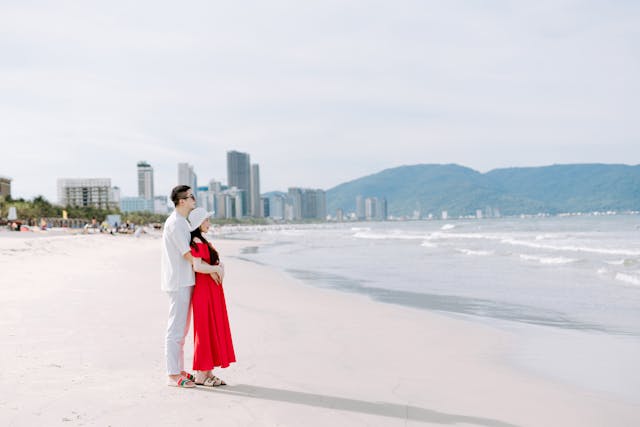
Vietnam has quickly become one of Southeast Asia’s most appealing destinations for retirees. With its low cost of living, warm climate, rich culture, and welcoming communities, many foreigners are now exploring how to retire in Vietnam as a realistic and rewarding lifestyle option.
Are you dreaming of beachfront living in Da Nang, a peaceful lakeside apartment in Hanoi, or a vibrant city life in Ho Chi Minh City?
This guide will walk you through everything you need to know about how to retire in Vietnam—from visas and costs to healthcare and lifestyle tips.
Why Retire in Vietnam?
Before diving into the logistics of how to retire in Vietnam, it’s important to understand why so many retirees are choosing this country.
Vietnam offers:
- A low cost of living compared to Western countries
- High-quality and affordable local cuisine
- A diverse landscape including beaches, mountains, and cities
- A growing expat community
- Reliable internet and modern conveniences in major cities
According to cost comparisons on Numbeo, living expenses in Vietnam can be significantly lower than in North America or Europe, allowing retirees to stretch their savings much further.
Can Foreigners Retire in Vietnam?
One of the most common questions when researching how to retire in Vietnam is whether there is a specific retirement visa.
Currently, Vietnam does not offer a dedicated retirement visa. However, many expats still manage to live long-term in the country through alternative visa options.
Common visa pathways:
- Tourist visas (short-term, renewable depending on regulations)
- Business visas (with sponsorship)
- Investor visas (for those opening a business)
- Work permits (less common for retirees but possible)
Because visa policies can change, it’s important to stay updated through official sources like the Vietnam Immigration Department.
Many retirees also work with visa agencies to simplify extensions and paperwork.
Cost of Living for Retirees
Understanding the cost is essential when planning how to retire in Vietnam.
Monthly Budget Estimates:
- Budget lifestyle: $700–$1,000
- Comfortable lifestyle: $1,000–$1,500
- Luxury lifestyle: $2,000+
Typical Monthly Costs:
- Rent: $300–$800
- Food: $150–$300
- Transportation: $30–$100
- Utilities & internet: $40–$100
- Healthcare: varies depending on insurance
Vietnam allows retirees to enjoy a comfortable lifestyle at a fraction of the cost compared to many Western countries.
For detailed comparisons, check Expatistan.com.
Best Places to Retire in Vietnam
Choosing the right location is a major part of planning how to retire in Vietnam.
Ho Chi Minh City
- Modern lifestyle and excellent healthcare
- Active expat community
- Higher cost but still affordable
Hanoi
- Rich culture and history
- Cooler climate in winter
- Great food and traditional atmosphere
Da Nang
- Coastal city with beaches
- Clean, safe, and less chaotic
- Popular among retirees and digital nomads
Hoi An
- Charming and peaceful
- Ideal for slow living
- Strong expat presence
Each location offers a different lifestyle, so visiting before committing is highly recommended.
For travel and location insights, visit the official tourism site.
Healthcare in Vietnam
Healthcare is a key factor when considering how to retire in Vietnam.
Vietnam has both public and private healthcare systems. While public hospitals are affordable, many expats prefer private or international hospitals for better service and English-speaking staff.
Healthcare Options:
- Local clinics for minor treatments
- Private hospitals in major cities
- International hospitals with Western standards
Costs:
- Doctor visit: $25–$60
- Dental care: affordable and high quality
- Health insurance: $500–$2,000 per year
Many retirees choose international health insurance for peace of mind.
For healthcare provider information, visit the International SOS website.
Housing Options for Retirees
Housing in Vietnam is flexible and affordable, which makes it easier to plan how to retire in Vietnam.
Common options:
- Serviced apartments
- Local apartments
- Villas or houses (in certain areas)
Most rentals come fully furnished, and leases are often flexible compared to Western standards.
Popular expat neighborhoods include:
- Thao Dien (Ho Chi Minh City)
- Tay Ho (Hanoi)
- An Thuong (Da Nang)
Banking and Money Management
Managing finances is another important step in understanding how to retire in Vietnam.
Many retirees use international money transfer services to move funds between countries. Platforms like Wise offer lower fees and better exchange rates compared to traditional banks.
You can learn more about global transfers at Wise.com.
Opening a local bank account may require a visa or residency status, but many expats rely on international accounts and ATMs.
Lifestyle and Daily Living
Retiring in Vietnam offers a relaxed and enjoyable lifestyle.
What retirees love:
- Café culture and social life
- Affordable dining and street food
- Access to travel across Southeast Asia
- Friendly locals and welcoming communities
Activities include:
- Morning walks along the beach
- Joining expat groups and social clubs
- Traveling to nearby countries like Thailand or Cambodia
Vietnam provides a balance between relaxation and adventure, making it ideal for retirement.
Challenges to Consider
While planning how to retire in Vietnam, it’s important to be realistic about potential challenges:
- Visa limitations (no retirement visa yet)
- Language barrier outside major cities
- Traffic in large urban areas
- Bureaucracy for long-term stays
However, many expats find that the benefits outweigh these challenges.
Tips for Retiring in Vietnam
Here are some practical tips to help you succeed:
- Visit Vietnam first before committing long-term
- Choose a city that matches your lifestyle
- Use trusted visa services if needed
- Get international health insurance
- Budget realistically for your lifestyle
Concluding Thoughts on Retiring in Vietnam
Learning how to retire in Vietnam opens the door to an affordable, vibrant, and culturally rich lifestyle. While the country does not yet offer a dedicated retirement visa, many expats successfully build long-term lives through alternative visa options.
With low living costs, excellent food, beautiful landscapes, and welcoming communities, Vietnam continues to grow as a top retirement destination in Asia.
If you’re looking for a place where your savings go further and everyday life feels like an adventure, Vietnam might be the perfect place to retire.
Featured Image: Beautiful Beaches of Da Nang, Vietnam | Photo by Trần Long