
Vietnam is one of Southeast Asia’s most rewarding countries to explore. With its vibrant street food, friendly people, and affordable travel options, it consistently ranks among the best destinations for both backpackers and long-term visitors. While Vietnam is generally safe, it’s important to stay mindful of a few common travel scams — especially in major tourist cities like Hanoi, Ho Chi Minh City, Hoi An, Nha Trang, and Ha Long Bay.
This guide covers the top scams to avoid in Vietnam, how they work, warning signs to look for, and simple steps to protect yourself. Understanding these risks helps ensure your trip stays stress-free, enjoyable, and budget-friendly.
1. Taxi Scams and Fake Taxis
Taxi scams are one of the most common issues first-time travelers encounter in Vietnam. Unlicensed taxis or drivers who refuse to use the meter can charge inflated prices, take longer routes, or switch money when you pay.
How the scam works
-
Fake taxi meters that rise unusually fast
-
Drivers who insist the meter is broken
-
Drivers taking unnecessarily long detours
-
Drivers claiming not to have change
How to avoid it
-
Only use legitimate ride-hailing apps like Grab or Be.
-
If you must take a taxi, choose reputable companies like Vinasun or Mai Linh.
-
Confirm the meter is running before the ride begins.
For more information on safe transportation in Vietnam, check the official Vietnam Tourism transport page.
2. Motorbike Rental Scams
Vietnam is famous for motorbike culture, but renting from certain vendors can lead to unexpected charges or serious trouble.
Common rental scams
-
Charging tourists for pre-existing scratches
-
Providing unsafe or faulty bikes
-
Passport theft (shops refusing to return your passport)
-
Confiscation threats to pressure extra fees
How to avoid it
-
Never leave your passport as collateral — use a cash deposit instead.
-
Record a full walkaround video of the bike before renting.
-
Choose reputable shops and read online reviews beforehand.
For driving rules and safety guidance, see this helpful overview by Expat.com.
3. The Famous “Coconut Scam” and Overpriced Street Snacks
You’ll find delicious street snacks everywhere in Vietnam, but in busy tourist areas, some vendors overcharge or use misleading tactics to make you feel obligated to pay more.
How it happens
-
Vendors hand you a coconut or snack without asking
-
You take it thinking it’s free — then they demand 5–10x the normal price
-
Some vendors act pushy or follow you until you pay
How to avoid it
-
Never accept food or drinks unless you clearly agree on a price first.
-
Avoid vendors approaching tourists aggressively.
-
Look for printed menus or vendors serving locals.
For a complete guide on safe street food hygiene and prices, read this resource from The World Travel Guide.
4. Fake Tour Agencies & Ha Long Bay Cruise Scams
Ha Long Bay, Sapa, and Mekong Delta tours are among Vietnam’s biggest attractions — which makes them a common target for scammers selling fake or low-quality tours.
Red flags
-
Suspiciously cheap cruise packages
-
Agencies copying the names of reputable companies
-
Mismatched boats (photos online not matching the real boat)
-
Tour itineraries changed without notice
How to avoid it
-
Book through reputable websites, your hotel, or well-known tour companies.
-
Always read recent online reviews.
-
Avoid purchasing tours through persistent street sellers.
A trusted source for comparing Ha Long Bay cruises is Halong.com.

5. Currency Exchange Scams & Money Switching
Vietnam uses the Vietnamese Dong (VND), and the large number of zeros makes it easy for travelers to feel confused. Some dishonest vendors and exchange counters take advantage of this.
How the scam works
-
Quick-switching a 500,000 VND note with a 20,000 VND note
-
Giving incorrect change to travelers who don’t know the denominations
-
Unofficial exchange counters using unfair rates
How to avoid it
-
Always count your money slowly and clearly.
-
Exchange currency only at banks, gold shops, or official counters.
-
Use a currency app to compare the current rate.
-
Avoid anyone approaching you on the street offering to “help exchange money.”
For up-to-date exchange rates, check XE.com.
6. Shoe Shiners & Street “Helpers”
This scam is especially common in Ho Chi Minh City around Pham Ngu Lao and Ben Thanh Market.
What happens
-
Someone taps your shoe and says it’s damaged
-
They begin cleaning or “repairing” it without permission
-
They demand high payment afterward
How to avoid it
-
Politely decline anyone approaching you on the street
-
Keep walking and avoid engaging
7. Friendly Stranger Invitation Scam
This scam is more subtle and relies on friendliness.
How it unfolds
-
A “local student” or “new friend” invites you for coffee, drinks, or a shopping stop
-
You are taken to a place that dramatically overcharges tourists
-
Staff become insistent on payment, sometimes locking doors until you pay
How to avoid it
-
Be cautious about accepting sudden invitations
-
Meet new acquaintances in public, well-known cafés
-
Stick to popular and reputable establishments
8. Overcharging at Markets & Tailor Shops
Bargaining is normal in Vietnam, but some vendors significantly inflate prices when they see tourists.
Classic examples
-
Souvenirs priced at 3–4x the normal rate
-
Tailors quoting extremely low prices, then adding hidden fees
-
Sellers claiming “handmade” or “local craft” for mass-produced items
How to avoid it
-
Compare prices at multiple shops
-
Negotiate politely but confidently
-
Ask locals or your hotel for expected price ranges
For a list of reputable shopping and market experiences, check the Vietnam Guide.
9. Fake Police or Fine Scams
While rare, scammers occasionally impersonate police officers, especially around tourist zones.
Signs of a fake fine
-
No uniform
-
No official police vehicle
-
Requesting payment directly on the street in cash
How to avoid it
-
Ask for ID and official paperwork
-
Do not hand over your passport
-
If something feels wrong, walk toward a busy area or call your hotel for help
Remember: real police in Vietnam rarely stop tourists without a clear reason.
10. Counterfeit Products & Fake Brands
From North Face backpacks to “silk” scarves, counterfeit goods are common.
How to avoid being scammed
-
Buy only from stores with transparent return policies
-
Avoid pushy sellers
-
Inspect stitching, material, and quality carefully
-
If the price seems too good to be true — it is
Final Tips to Stay Safe in Vietnam
-
Keep your valuables in a money belt or crossbody bag.
-
Stay alert at night in crowded areas.
-
Trust your intuition — if something feels off, walk away.
-
Avoid confrontations; remain calm and polite.
-
Pre-book transportation and tours whenever possible.
Vietnam is a welcoming and exciting destination, and the majority of travelers experience no significant issues. By staying informed and aware of the most common scams, you can explore with confidence and fully enjoy everything the country has to offer.
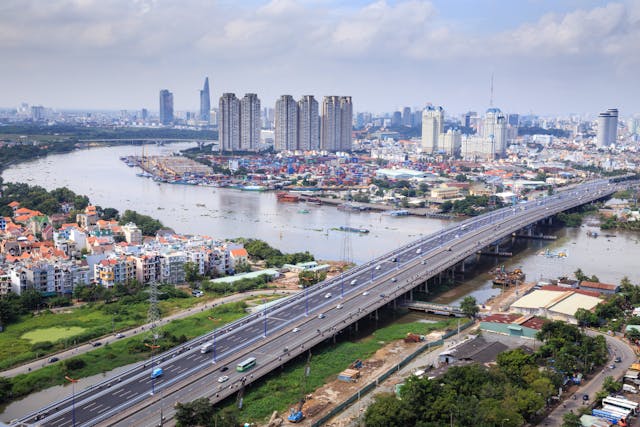
Featured Image: Ho Chi Minh City, Vietnam | Photo by Quang Nguyen Vinh